
- EARN WHILE YOU LEARN AND BECOME A PROFESSIONAL ENGINEER
- THERE ARE APPRENTICESHIPS FOR EVERYONE
- BEGIN A CAREER WITH EMPLOYERS THAT INVEST IN YOUR FUTURE
If you want to become an engineer, many disciplines that you could start a career in are often best suited to an apprenticeship. And there are some things that you NEED to know about apprenticeships, that a lot of people don’t get to hear.
What is an apprenticeship?
An apprenticeship is a real job with training (earn while you learn) and gain valuable qualifications as you go. If you are a full-time college student, or over 16 and not in full time education, you can apply.
You will study part-time at a college or training provider whilst you work at a company – learning the skills, knowledge and behaviours to become qualified for a role in that business.

Levels of apprenticeships
Intermediate (Level 2)
Equivalent to 5 GCSE Passes (normally takes 1-2 years)
Advanced (Level 3)
Equivalent to two A level passes (normally takes 2-3 years)
Higher (Level 4-5)
Leads to a Level 4 and above or Foundation Degree
Degree Apprenticeships (Level 6)
By combining higher level learning and employment, employers can develop their workforce and apprentices can gain a degree at the same time as building their career and earning a salary
But what about getting my degree?
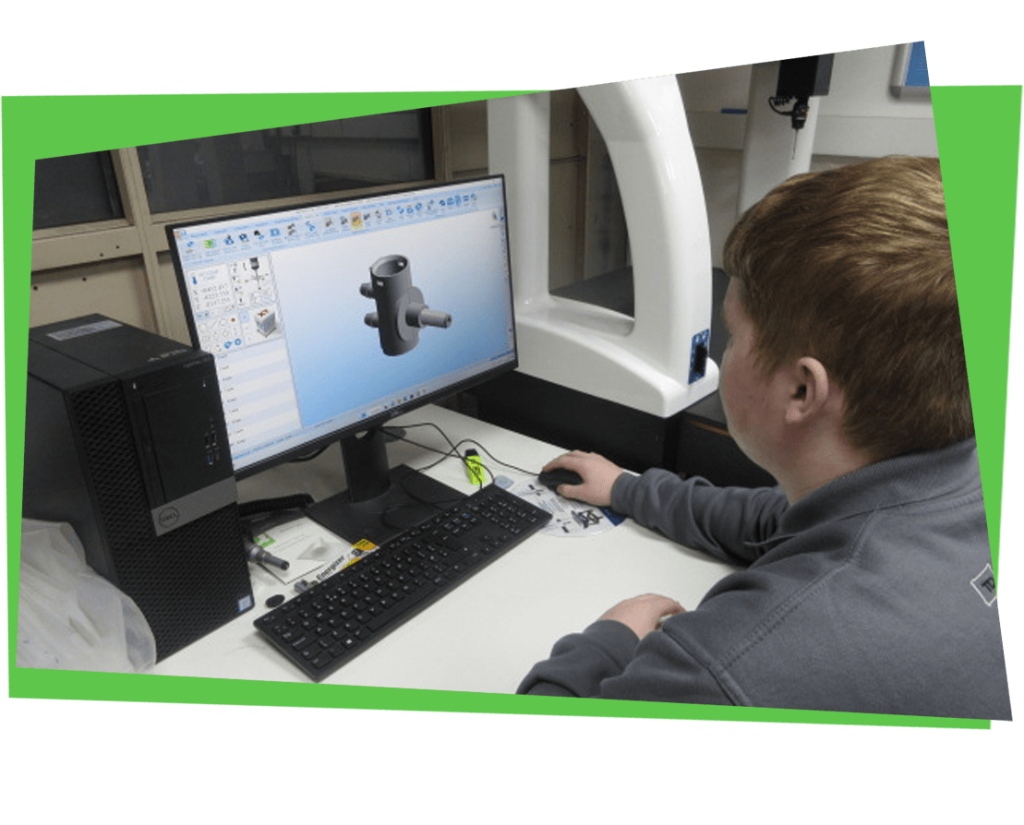
Did you know that this is possible via an apprenticeship too? They are called ‘Degree Apprenticeships’.
Degree Apprenticeships are level 6, so follow on from ‘Higher Apprenticeships’ (level 4&5). Higher level apprenticeships work towards a qualification equivalent to a degree.
Many engineering & manufacturing employers offer progression onto Degree Apprenticeships, and as well as learning from the best at your place of work, your employer will fund the cost of your degree (no student debt!!). Winner, winner…
“We are casting our future” - Apprentice Testimonials
How to get on to an apprenticeship
You will need to find an employer offering an apprenticeship or speak to a local college or training provider regarding their vacancies.
There are different levels of apprenticeships, with differing entry requirements (GCSE grades). Generally with most colleges or training providers you will need at least 3 GCSE’s at a minimum of grade 3 in English and Maths for a Level 2 Apprenticeship or at least 4 GCSE’s with a minimum of grade 4 in English and Maths for a Level 3 Apprenticeship.
Depending on the apprenticeship role, the level, or the employer, having GCSE’s in Science, D&T, Product Design or Engineering may also help increase your chances of successfully gaining an apprenticeship.
It is also possible to start a ‘Higher Apprenticeship’ following A-Levels (or equivalent Level 3 Apprenticeship or qualification). Degree Apprenticeships include foundation and masters degree level apprenticeships.
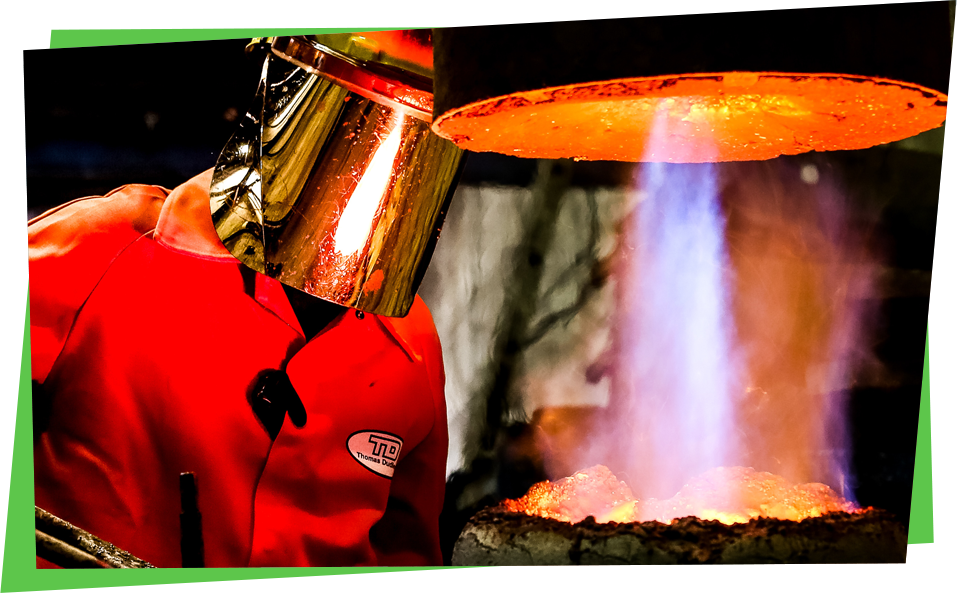
Interested in finding an apprenticeship?
One of the most important things to remember about apprenticeships is your choice of employer. It is important that you are interested in what they do, the roles they have and can see yourself working at the company longer term. Now that you know more about apprenticeships, find out more about local companies within cast metals engineering by clicking below.


